
How an Auto Collision Shop Uses Technology to Improve Repairs
The automotive repair industry has undergone a radical transformation over the last decade, moving away from purely manual labor toward a sophisticated, tech-driven process. When a vehicle sustains damage, the restoration of its structural integrity and aesthetic appeal requires more than just a steady hand and a coat of paint. Modern vehicles are essentially computers on wheels, equipped with intricate sensors, advanced driver-assistance systems, and lightweight alloy materials that demand specialized handling. For a contemporary auto collision shop, staying relevant means investing in high-tech diagnostic tools and computerized machinery that ensure every repair meets stringent manufacturer specifications. This shift toward technology not only improves the quality of the work but also enhances the safety of the vehicle once it returns to the road.
Understanding the role of technology in the repair process is essential for any vehicle owner who values precision and reliability. Digital tools now allow technicians to see beyond surface-level dents, identifying hidden frame misalignments or electrical faults that might otherwise go unnoticed. By integrating these advanced systems, repair facilities can offer a level of transparency and accuracy that was previously impossible. This technological evolution has a direct impact on the way customers perceive the industry and the trust they place in repair professionals. As repair methodologies continue to advance, the gap between traditional shops and tech-forward facilities continues to grow, setting a new standard for excellence in automotive care.
Utilizing Computerized Structural Measuring Systems
The foundation of any successful collision repair is ensuring that the vehicle’s frame or unibody is perfectly aligned. Even a minor collision can shift a car's geometry by a few millimeters, which can lead to uneven tire wear, poor handling, and compromised safety in future accidents. To address this, a leading auto collision shop will use computerized ultrasonic or laser measuring systems to compare the damaged vehicle against the manufacturer’s original blueprints. These systems provide a digital map of the car’s structure, allowing technicians to identify exactly where the frame has shifted. By using these precise measurements, the shop can pull the frame back into alignment with mathematical certainty, ensuring the vehicle performs exactly as it was designed to.
Beyond the initial alignment, these digital measuring tools provide a recorded history of the repair that serves as a guarantee of quality. In the past, technicians relied on manual gauges and visual inspections, which left room for human error. Today, the computer provides a "before and after" report that proves the vehicle has been restored to its factory dimensions. This level of detail is particularly important for high-end luxury vehicles and modern electric cars, where the structural tolerances are incredibly tight. When an auto collision shop utilizes this level of precision, it eliminates the guesswork and provides the vehicle owner with documented proof that their car is structurally sound and safe to drive.
Implementing Advanced Digital Paint Matching
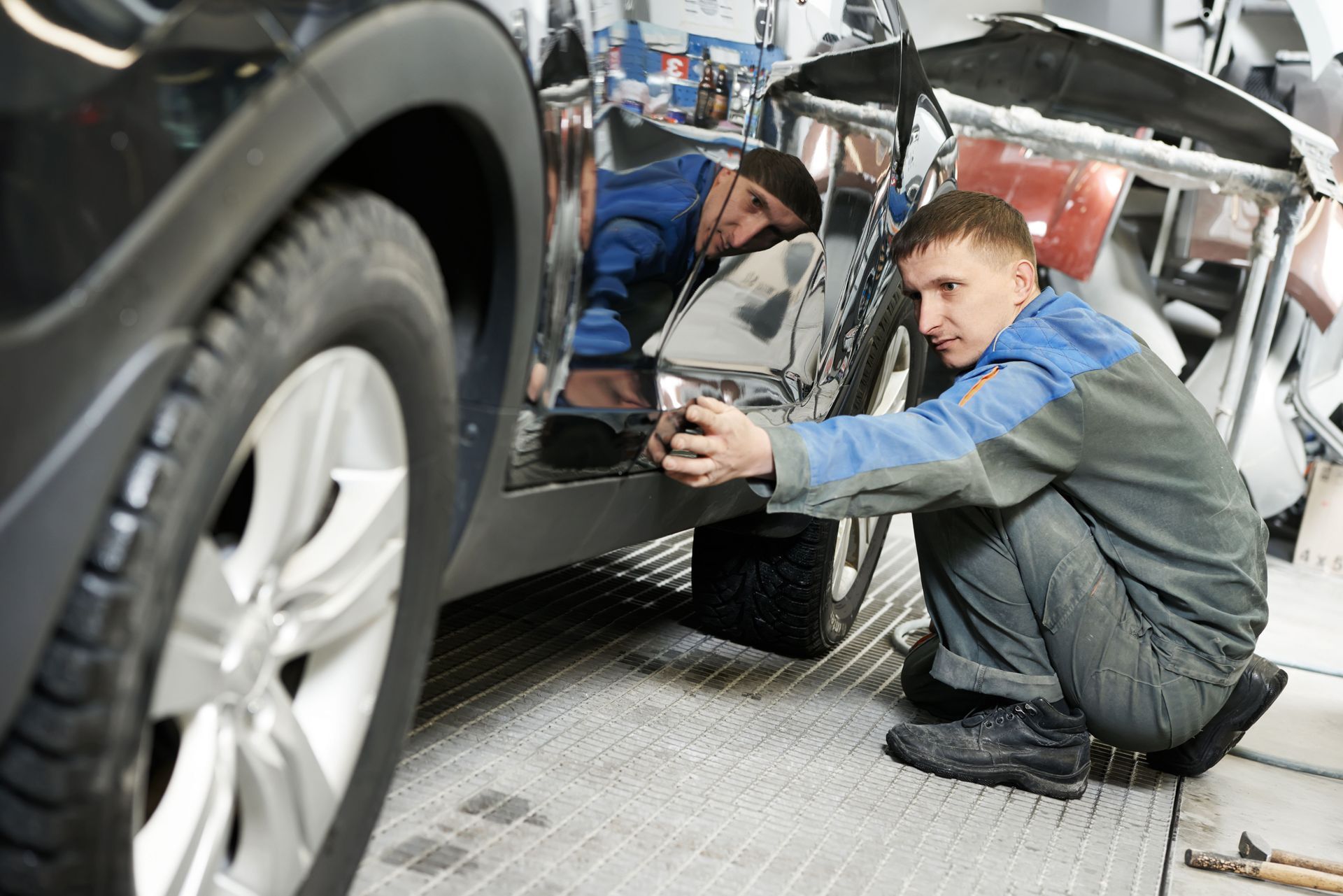
Achieving a seamless paint match is one of the most challenging aspects of automotive repair, but modern technology has simplified this complex task. Technicians now use spectrophotometers, which are handheld digital devices that analyze the exact pigment and metallic flake concentration of a vehicle’s existing paint. Because paint can fade or change hue over time due to sun exposure, a standard factory color code is often not enough for a perfect blend. By scanning the actual surface of the car, the auto collision shop can generate a custom formula that accounts for aging and weathering. This data is then sent to a computerized mixing station that weighs the paint components to the tenth of a gram.
The application process has also been improved through the use of climate-controlled spray booths and advanced curing lamps. These booths use sophisticated filtration systems to remove every speck of dust from the air, ensuring a flawless finish that mimics a factory environment. Once the paint is applied, infrared drying technology is often used to cure the layers from the inside out, which results in a harder and more durable finish. This integration of digital analysis and controlled application allows a professional auto collision shop to produce results that are indistinguishable from the original paint job. The result is a vehicle that looks as though it were never in an accident, preserving both its beauty and its eventual resale value.
Integrating Diagnostic Scanning and Calibration
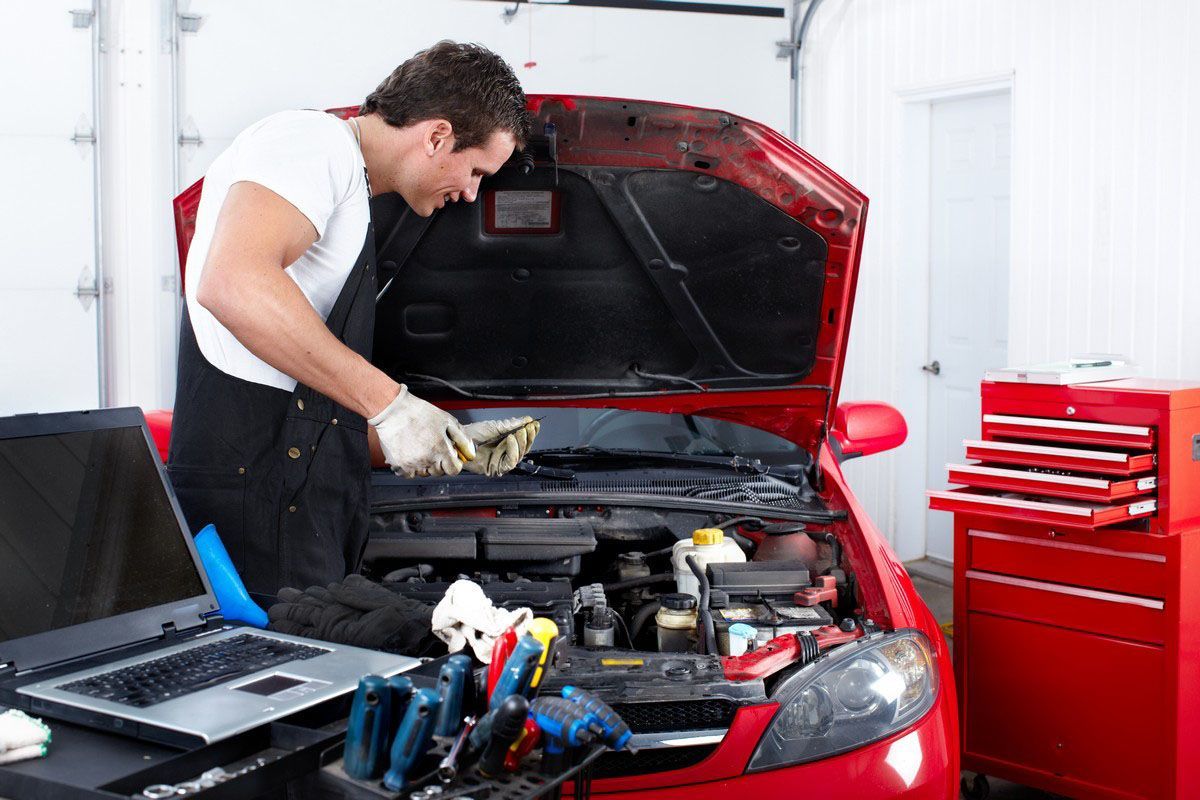
Modern vehicles are equipped with Advanced Driver-Assistance Systems, such as lane-departure warnings, adaptive cruise control, and automatic emergency braking. These systems rely on a network of cameras and radar sensors hidden behind bumpers and windshields. After an accident, an auto collision shop must perform a comprehensive "pre-repair" scan to identify any electronic fault codes that may not trigger a dashboard warning light. This diagnostic step is crucial because it allows the repair team to create a complete blueprint of the vehicle’s electronic health before any physical work begins. Without this technology, many critical safety features could remain non-functional even after the exterior of the car looks perfect.
Once the physical repairs are completed, the shop must perform a "post-repair" scan and system calibration. If a sensor has been moved even a fraction of a degree during the repair of a bumper, the entire safety system could fail or provide incorrect feedback to the driver. Technicians use specialized calibration targets and software to reset these sensors to their original factory parameters. The importance of this work is reflected in how much consumers value professional expertise in the modern era. According to Automotive News, customer satisfaction ratings for local auto body shops average 88%. This high level of satisfaction is largely driven by the peace of mind that comes from knowing a professional auto collision shop has used the latest diagnostic tools to verify that every safety system is fully operational.
Adopting Aluminum and Multi-Material Joining Tech
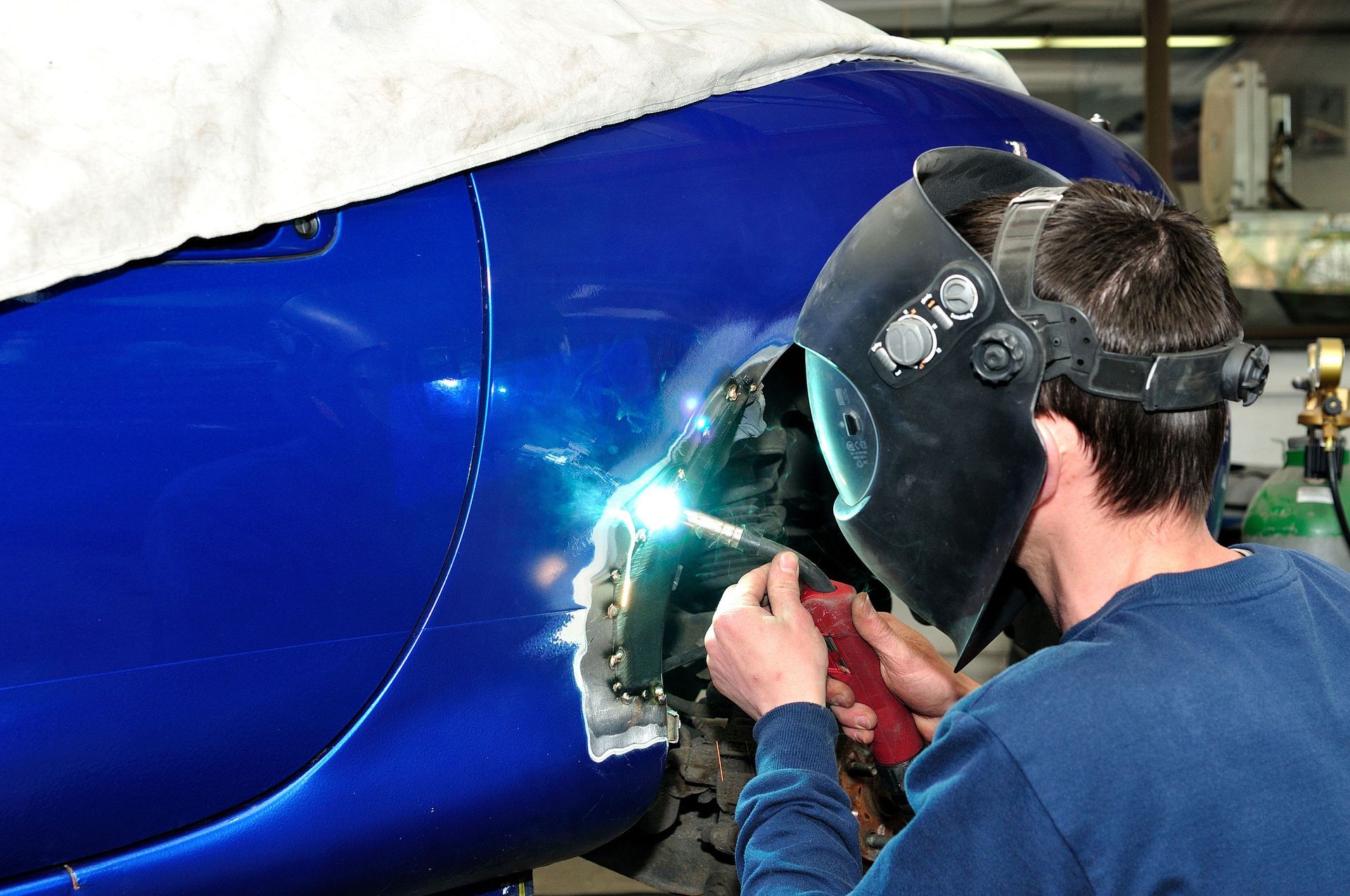
As manufacturers strive to make vehicles lighter and more fuel-efficient, they are increasingly using aluminum, carbon fiber, and ultra-high-strength steel. These materials cannot be repaired using the same welding techniques used for traditional mild steel. An advanced auto collision shop must invest in specialized equipment, such as squeeze-type resistance spot welders and "clean room" environments to prevent cross-contamination between different metals. Aluminum, in particular, requires dedicated tools because even a small amount of steel dust can cause the aluminum to corrode over time. By using technology specifically designed for these modern materials, the shop ensures the repair is as strong as the original bond.
In addition to specialized welding, many modern repairs utilize structural adhesives and rivet-bonding techniques that mirror the assembly methods used in the factory. These bonding technologies allow for a repair that maintains the vehicle’s original "crumple zones," which are designed to absorb energy during an impact. When a technician uses a computerized adhesive applicator, they ensure that the correct amount of bonding agent is used for maximum strength. This specialized knowledge is a hallmark of a high-quality auto collision shop that stays ahead of automotive engineering trends. By using the right technology for the right material, the repair facility ensures that the car’s safety features will perform correctly if another collision ever occurs.
The integration of high-end technology into the automotive repair industry has made vehicles safer, more durable, and more visually stunning after an accident. From the initial computerized frame measurement to the final electronic system calibration, every step of the process is now guided by digital precision. While the skill of the technician remains the heart of the repair, the tools they use allow them to achieve results that were unimaginable just a generation ago. By choosing a facility that prioritizes these advancements, you are ensuring that your vehicle is restored to its original factory standards. As automotive engineering continues to evolve, the reliance on these sophisticated systems will only increase, making it more important than ever to trust your car to a leader in the field. For a repair process that combines expert craftsmanship with the latest technological innovations, contact National Body Works.
Share On: