
Why the Circumstances of Your Car Accident Matter to Auto Body Repair Shops
A car accident can leave behind more than dents, scratches, and broken parts. The circumstances of a collision can provide important information about how a vehicle was damaged and what should be examined during the repair process. Factors such as the direction of impact, location of the collision, speed, road conditions, and time of day can all help technicians understand the potential extent of the damage.
Providing an accurate account of what happened can make the auto body repair process more thorough and efficient. Even when damage appears limited to one area, a collision can affect components behind or beneath the visible damage. Understanding the circumstances allows repair professionals to approach the inspection with a more complete picture of what may need attention.
How Accident Details Help Identify Damage
The Direction and Location of the Impact
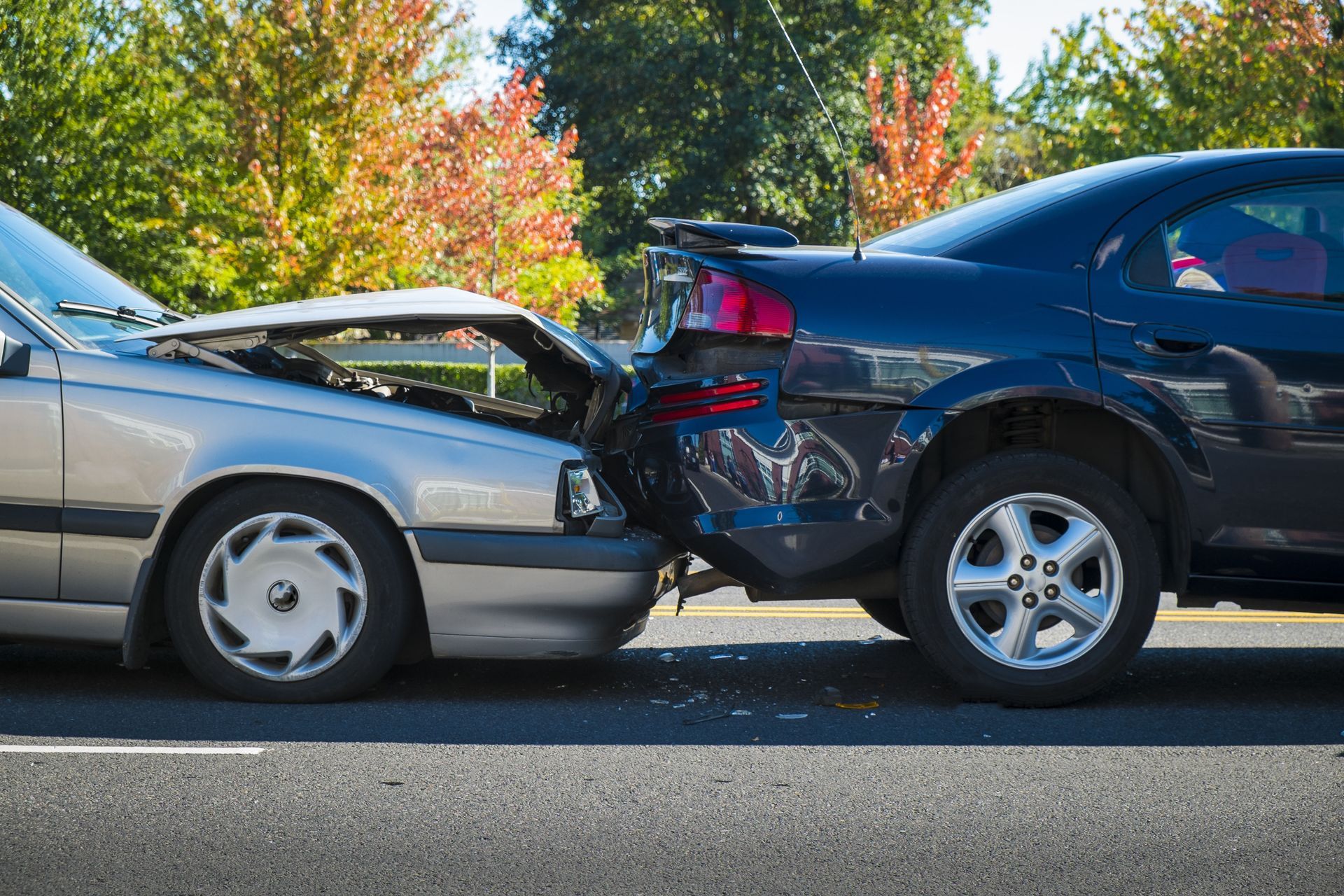
The direction of a collision can tell technicians a great deal about where forces may have traveled through a vehicle. A front-end collision, for example, may affect the bumper, grille, hood, fenders, lights, and components behind those areas. A side impact can create different concerns around doors, quarter panels, and structural components.
Information about where the impact occurred can also help technicians determine whether damage extends beyond the most obvious areas. A damaged bumper may be the most noticeable problem after a low-speed collision, but the impact could also affect mounting points or components underneath it. Careful inspection is therefore an important part of effective auto body repair.
The position of another vehicle or object can provide additional context. A vehicle struck at an angle may experience a different amount of force than one involved in a direct impact. Details about whether a car was moving, stopped, turning, or struck while parked can help technicians understand the collision pattern and identify areas that require closer examination.
Speed and Collision Severity
The severity of a collision is another important consideration when assessing a damaged vehicle. While speed alone does not determine the extent of damage, a higher-energy impact can create more substantial deformation and increase the possibility of damage beyond exterior panels. This makes a detailed evaluation especially important after a serious accident.
Drivers should share as much relevant information as possible when describing the accident. Explaining how the collision occurred, which areas made contact, and whether the vehicle was pushed, spun, or moved by the impact can give repair professionals additional context. These details can help guide the inspection and support a more accurate repair plan.
A thorough assessment may involve examining structural areas, panels, bumpers, plastic components, and other parts connected to the damaged section. Frame adjustments may be necessary when collision forces have affected the vehicle's structure. Addressing these concerns correctly is essential because appearance is only one part of a successful restoration.
Why Time and Environment Can Matter
Nighttime Collisions and Visibility
The time of day when an accident occurs can provide useful context for understanding how the collision happened. According to AutoBody News, approximately 50% of U.S. accidents occur in darkness, even though fewer drivers are on the road after dusk. Limited visibility can contribute to collisions involving stationary objects, vehicles that are difficult to see, or situations in which a driver has less time to react.
Knowing that an accident occurred at night does not automatically indicate a particular type or severity of damage. However, it can help repair professionals understand the circumstances of the event. A collision involving a poorly visible object, for example, may create a different pattern of damage than a straightforward impact between two vehicles. This information can be helpful when evaluating the vehicle for auto body repair.
Describing the environment can also provide useful context. Drivers may remember whether the area was well lit, whether visibility was limited, or whether another vehicle suddenly entered their path. These details can supplement the physical inspection and help technicians understand why certain areas of the vehicle may have been affected.
Weather and Road Condition
Weather can also play a role in how an accident occurs and how a vehicle sustains damage. Rain, snow, ice, standing water, and other road conditions can affect traction and vehicle movement. A car that slides before making contact with another vehicle or object may experience impacts at unusual angles.
Road conditions can also affect what happens after the initial impact. A vehicle may slide into a curb, guardrail, sign, or another object after colliding with another vehicle. In these situations, multiple points of contact can produce damage in several areas. Explaining the sequence of events can help technicians avoid focusing exclusively on the first visible point of impact.
Environmental conditions may also affect the repair itself. Existing rust or corrosion can influence how certain damaged components should be addressed. Rust remediation may sometimes be necessary when corrosion is present around a damaged area. Identifying pre-existing conditions helps distinguish accident-related damage from problems that were already present and can influence the scope of auto body repair.
How Circumstances Shape the Repair Process
Connecting Visible and Hidden Damage
One of the most important reasons accident circumstances matter is that visible damage does not always tell the entire story. Exterior panels can conceal damage to brackets, mounting points, structural areas, and other components. A technician who understands the collision can use that information when determining where to look more closely.
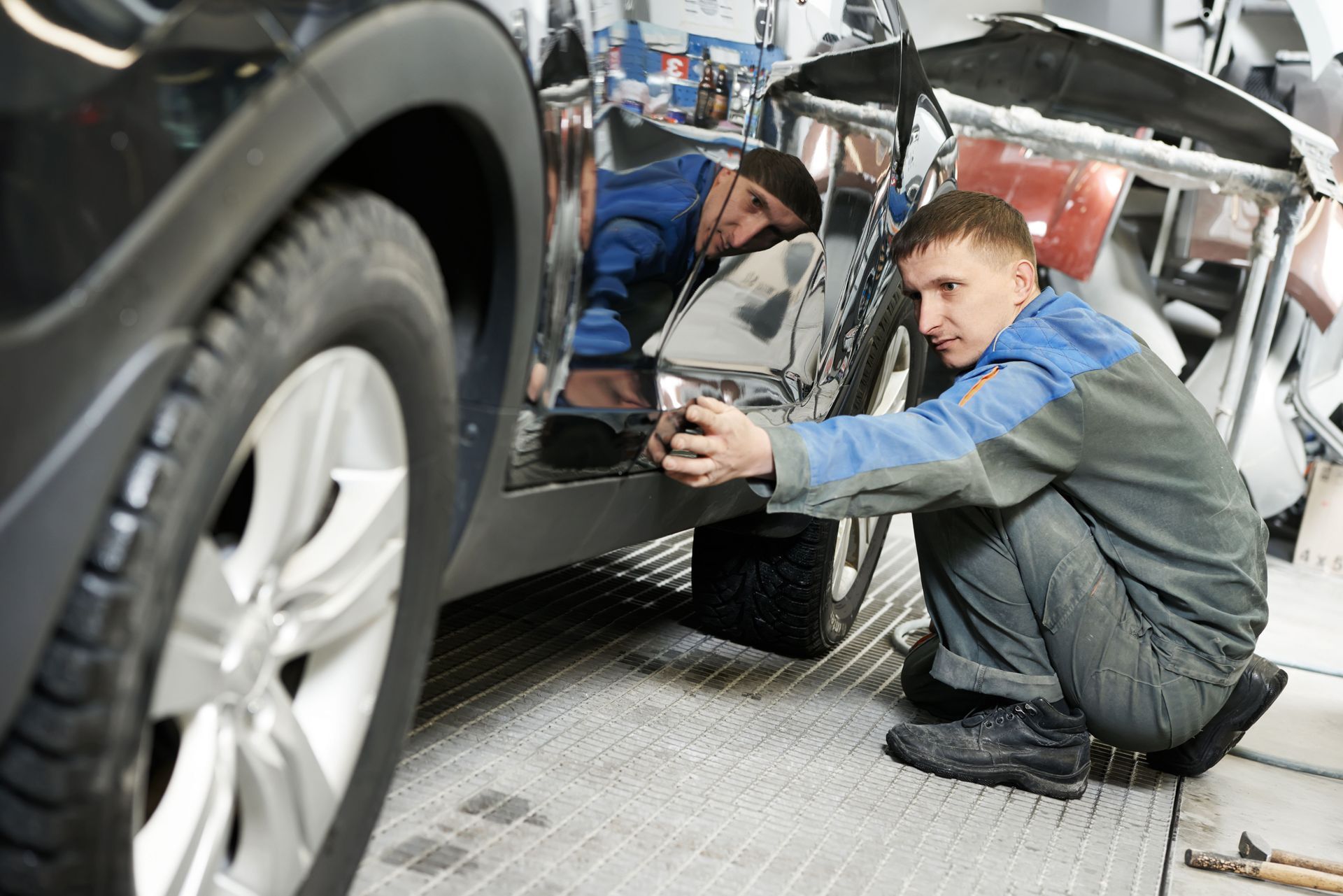
For example, a significant side impact may require more than replacing a visibly damaged door skin. The surrounding quarter panel, adjacent structure, and related components may also need inspection. Likewise, front-end damage may require examination of areas behind the bumper and other exterior components. These inspections are an essential part of quality auto body repair.
This approach supports a more complete repair process. Technicians can assess the vehicle systematically, determine which components can be repaired, and identify which parts require replacement. Depending on the damage, repairs may include bumper restoration, quarter panel or door skin fitting, plastic fixture repairs, painting, or structural adjustments.
Making Insurance and Estimates Easier
Accident circumstances can also be relevant when an insurance claim is involved. Repair shops often need to document the damage and communicate with insurance providers about the work required. A clear explanation of how the collision occurred can provide context when the visible damage does not immediately explain the full repair estimate.
A professional shop may also assist with the administrative side of the process. Handling insurance communications on a customer's behalf can reduce some of the work associated with a collision claim. A same-day estimate can also help vehicle owners understand the anticipated scope and cost of repairs before work begins.
Accurate documentation is particularly useful when auto body repair involves multiple damaged areas. The repair plan may need to account for structural work, panel repairs, bumper restoration, refinishing, and other services. A detailed inspection gives the vehicle owner and insurer a clearer understanding of what is necessary to restore the vehicle properly.
Every collision is different, and the circumstances of an accident can provide valuable clues about the damage a vehicle may have sustained. Details such as impact direction, collision severity, time of day, weather, road conditions, and the sequence of events can help repair professionals conduct a more informed inspection.
For vehicle owners, sharing these details is a simple way to contribute to a thorough auto body repair process. A qualified shop can combine the accident history with a careful physical assessment to determine what needs to be repaired, replaced, adjusted, or refinished. When the goal is to restore a vehicle properly after a collision, understanding how the accident happened is an important part of determining what needs to be done next. If your vehicle has been damaged in an accident, contact National Body Works today for a thorough inspection and quality auto repairs.
Share On: