
Why Having Proper Auto Body Repairs Performed After an Accident is Critical
Experiencing a vehicle accident can be stressful and overwhelming. Beyond dealing with insurance paperwork and the immediate shock, one of the most pressing concerns is ensuring your car is properly repaired. Auto body repair after an accident is not just about aesthetics—it's about restoring the vehicle’s functionality, safety, and value. Ignoring these repairs can lead to compounding issues that affect both your driving experience and financial investment.
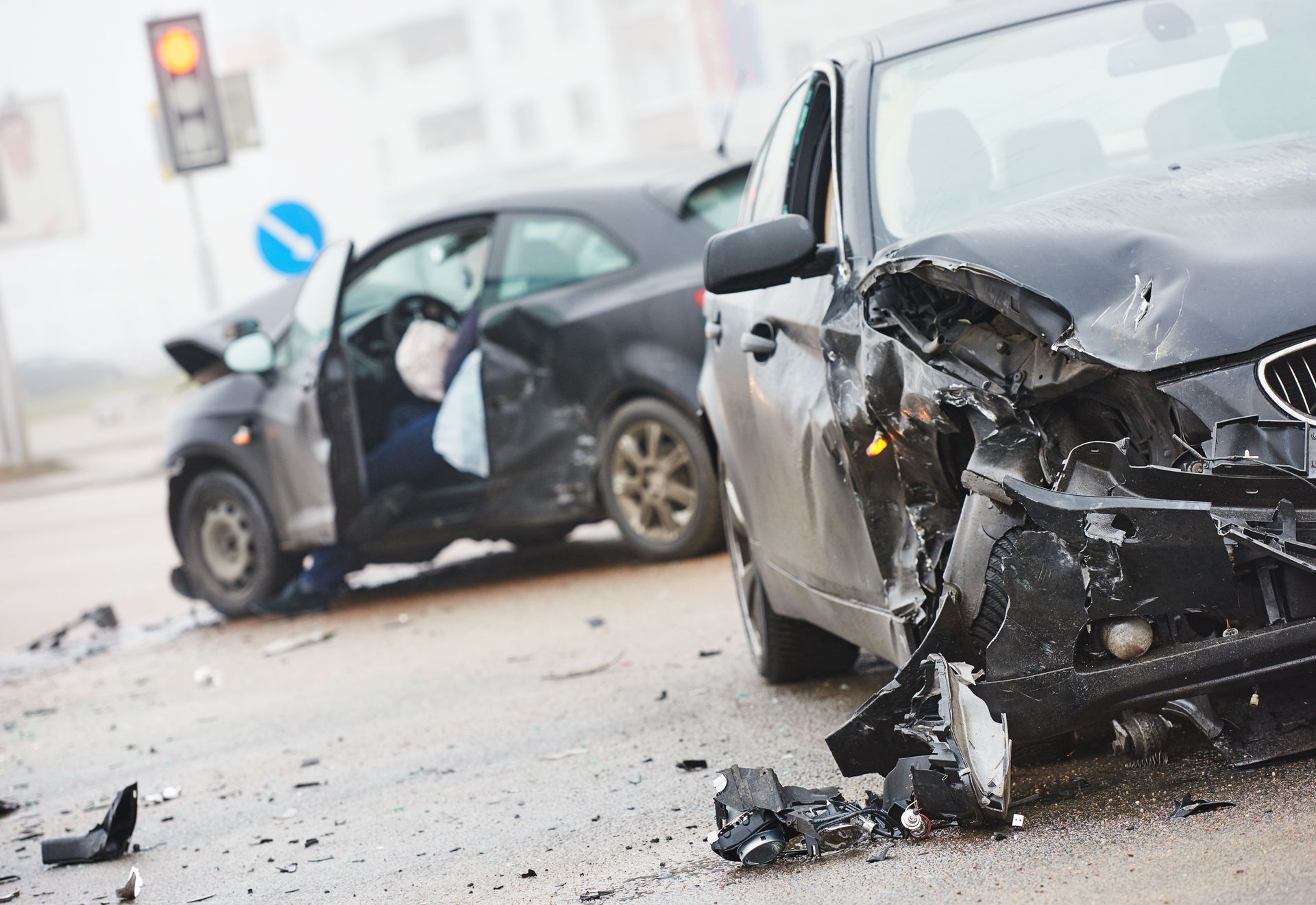
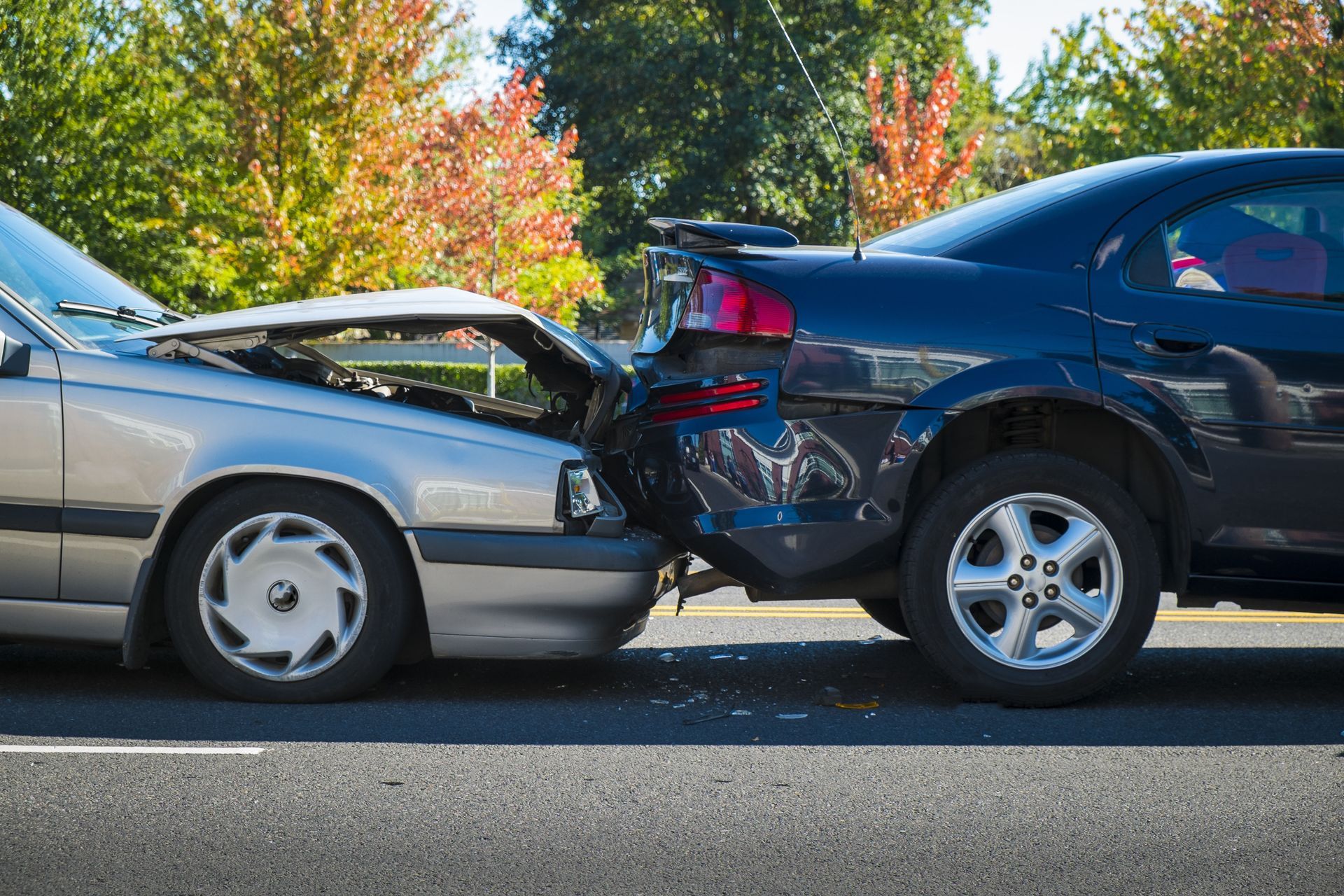
Even minor collisions can cause hidden damage that isn't immediately visible to the naked eye. For example, the impact may weaken structural components or misalign safety systems. A vehicle may appear intact on the surface while harboring issues that affect its handling, stability, or even its long-term durability. Understanding why timely and professional auto body repair is critical can help vehicle owners make informed decisions and avoid unnecessary complications.
What Are the Consequences of Avoiding Auto Body Repairs?
Neglecting necessary auto body repair can result in a variety of serious consequences. First, damaged body panels, misaligned frames, or compromised structural components can make your car unsafe to drive. Even minor dents or scratches may hide more significant underlying damage that worsens over time. For instance, untreated scratches can lead to rust formation, which progressively weakens the vehicle's metal components. Rust can spread quickly, compromising areas that are vital to safety, such as wheel wells, undercarriages, and frame joints.
Vehicle value is another critical consideration. According to Consumer Affairs, the average vehicle in the U.S. travels 14,489 miles annually. This amount of travel puts a vehicle at higher risk of wear and tear, making the condition of the body panels and frame even more important. A car with unrepaired accident damage is likely to lose thousands of dollars in resale value. Potential buyers and dealerships often view visible damage or poor-quality repairs as indicators of neglect or unreliability.
Furthermore, avoiding auto body repair may impact insurance premiums and claim approvals. Vehicles with existing damage can be classified as higher risk by insurers. This may result in higher premiums or reduced coverage options. Minor repairs left unaddressed can escalate into larger, more costly problems, potentially complicating future insurance claims.
How Do Auto Body Repairs Impact Vehicle Safety?
Proper auto body repair is essential for maintaining your car’s safety features. Modern vehicles are designed with crumple zones, reinforced frames, and strategically placed airbags that rely on the structural integrity of the body. Even a minor accident can compromise these systems, making subsequent collisions more dangerous. Auto body repair specialists assess and correct damage to ensure these safety mechanisms function as intended.
Structural integrity goes beyond obvious damage. Misaligned panels or weakened frames can alter how your vehicle absorbs impact, increasing the risk of injury in even minor accidents. Airbags may deploy incorrectly or fail, while seatbelt systems may not restrain passengers properly. These risks underscore why professional auto body repair is more than a cosmetic fix—it is a critical safety measure.
Additionally, body damage can affect other systems such as headlights, sensors, and electronic safety aids. Misaligned panels may interfere with radar-based safety systems, blind-spot monitors, or lane-keeping technology, reducing their effectiveness. A high-quality auto body repair ensures that all integrated safety features function as designed, protecting both drivers and passengers.
What Should You Look for in a Reputable Auto Body Repair Shop?
Selecting the right repair shop can make all the difference in the quality of your auto body repair. Certifications should be a primary consideration. Shops recognized by manufacturers or industry organizations demonstrate a commitment to professional standards. Certification ensures that technicians are trained in the latest repair methods and use equipment that meets manufacturer specifications.
Customer reviews also offer valuable insight. Reading feedback from previous clients can reveal how well a shop communicates, meets deadlines, and handles insurance claims. Consistently positive reviews are a strong indicator of quality service, transparency, and professionalism.
Guarantees are another important factor. A reputable shop should provide a warranty on both labor and parts, giving vehicle owners peace of mind that the repairs will hold up over time. This protects against substandard work and ensures that you are not paying again for issues that should have been resolved initially.
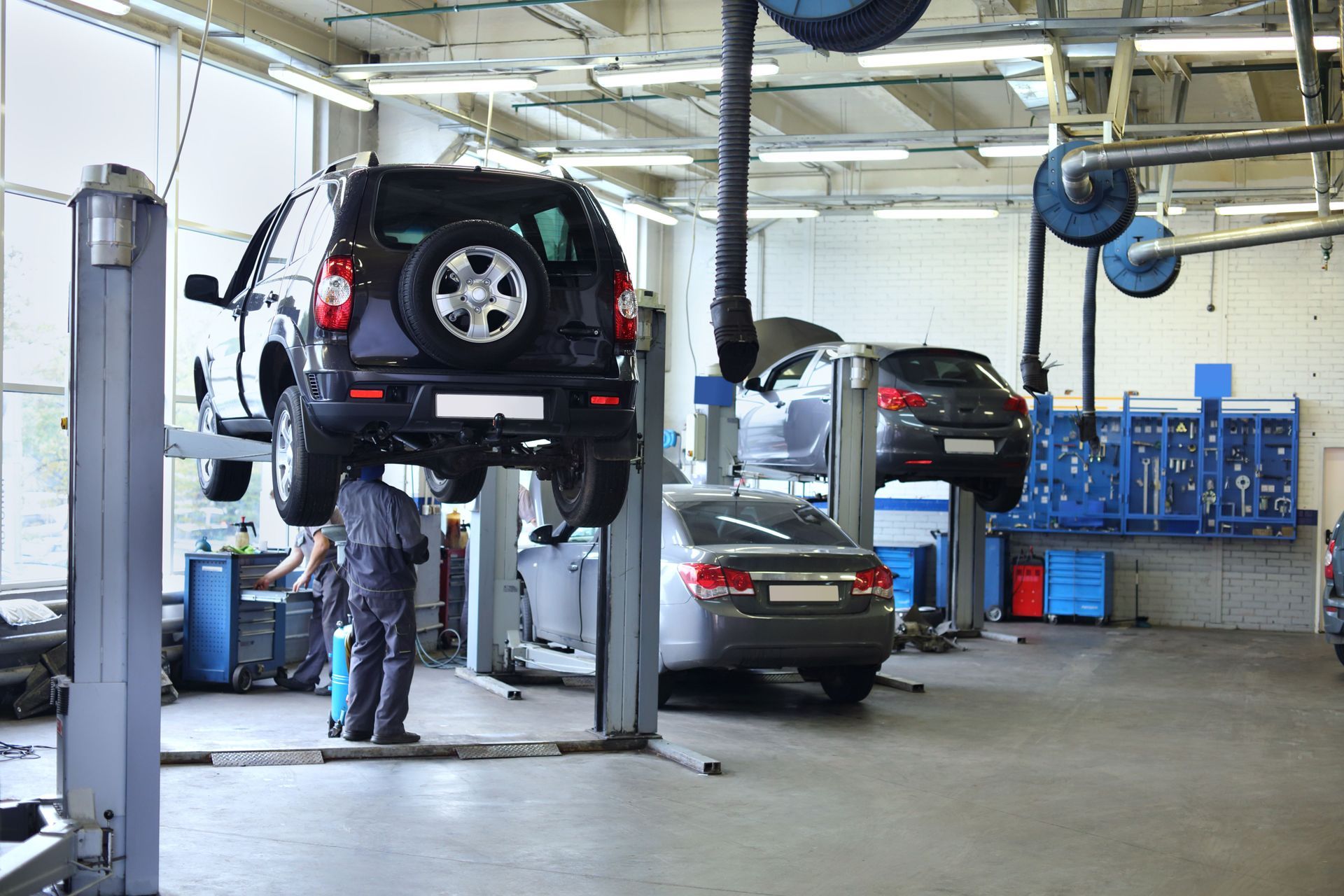
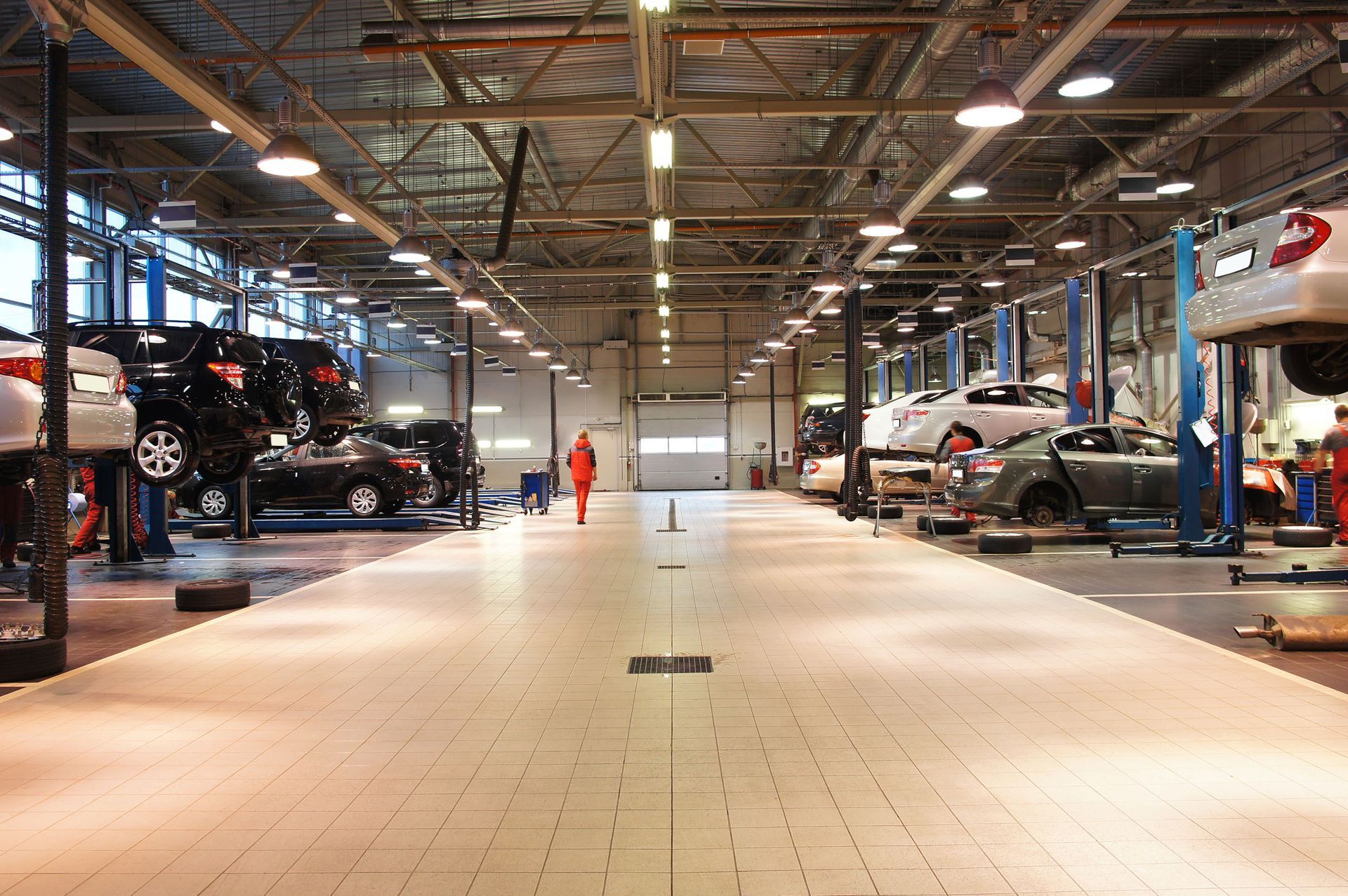
Finally, consider the shop’s facilities. Clean, organized shops with modern, up-to-date equipment are more likely to deliver precise auto body repair. The environment itself can reflect the level of professionalism and attention to detail you can expect when entrusting them with your vehicle.
How Do Auto Body Repairs Affect Vehicle Insurance Claims?
Auto body repair and insurance claims are closely intertwined. Following an accident, insurance companies often require a detailed estimate from a certified repair shop before approving claims. Working with a shop experienced in insurance procedures can make the process smoother, faster, and less stressful. Proper documentation, including photographs and detailed repair estimates, is essential for ensuring fair compensation.
The quality of repairs also influences future claims. Poor-quality work may result in insurers denying coverage for related problems that arise later, claiming that the vehicle was not properly repaired after the initial incident. Conversely, high-quality auto body repair at a reputable shop protects your insurance record and reduces potential disputes.
Timely repairs are equally important. Leaving damage unaddressed can allow minor issues to escalate into major, costly claims. Small dents or structural misalignments that are ignored today may require extensive repairs later, potentially exceeding your insurance coverage and creating additional financial strain.
What Are the Long-Term Effects of Poor Auto Body Repair?
Substandard or delayed auto body repair can create ongoing problems that extend well beyond the initial accident. Improperly aligned frames or components can lead to uneven tire wear, suspension issues, and handling difficulties. These problems not only compromise safety but also increase long-term maintenance costs. Over time, repeated mechanical issues can erode confidence in the vehicle and make it more expensive to own.
Cosmetic imperfections also matter. Mismatched paint, uneven panels, or visible repair marks reduce the aesthetic appeal and resale value of your car. Buyers are often unwilling to pay full price for vehicles that show signs of low-quality repair work. Even if the car operates well, lingering cosmetic and structural issues may trigger additional expenses and affect long-term satisfaction.
Investing in professional auto body repair ensures that the vehicle retains its value, appearance, and functionality. High-quality repairs prevent further deterioration, reduce safety risks, and help the vehicle perform as intended for years to come.
How Does Regular Maintenance Complement Auto Body Repair?
While auto body repair addresses immediate damage, regular vehicle maintenance ensures your car continues to operate safely and efficiently over time. Routine inspections, tire rotations, and fluid checks help prevent small issues from turning into costly mechanical problems. Combined with professional auto body repair, these preventative measures maintain the vehicle’s structural integrity, enhance overall performance, and provide peace of mind on the road. A well-maintained car is more reliable, safer to drive, and retains its value longer, making both repairs and maintenance essential parts of responsible vehicle ownership.
Auto body repair is more than a cosmetic concern—it is an essential aspect of vehicle ownership that impacts safety, performance, and long-term value. Avoiding necessary repairs can compromise structural integrity, reduce resale value, and lead to ongoing mechanical problems. Selecting a reputable repair shop ensures high-quality workmanship, proper documentation for insurance claims, and peace of mind. By addressing damage promptly and professionally, vehicle owners protect themselves, their passengers, and the overall reliability of their cars. Timely
auto body repair is not just recommended—it is essential for maintaining a safe, functional, and valuable vehicle. If you've been in an accident and want to get your vehicle safely back on the road, reach out to the team at National Body Works today!
Share On: