

How to File an Auto Insurance Claim After an Accident
Understanding the process of filing an auto insurance claim is crucial in ensuring you get the necessary help and compensation after an accident. Often, individuals find themselves overwhelmed by the steps involved and unsure of what details are necessary to report. This guide demystifies the process, offering clear and actionable steps to follow. By being informed ahead of time, you can take control of the situation and minimize stress. Let's walk through the essential steps to effectively file an auto insurance claim post-accident.
Assessing the Immediate Situation
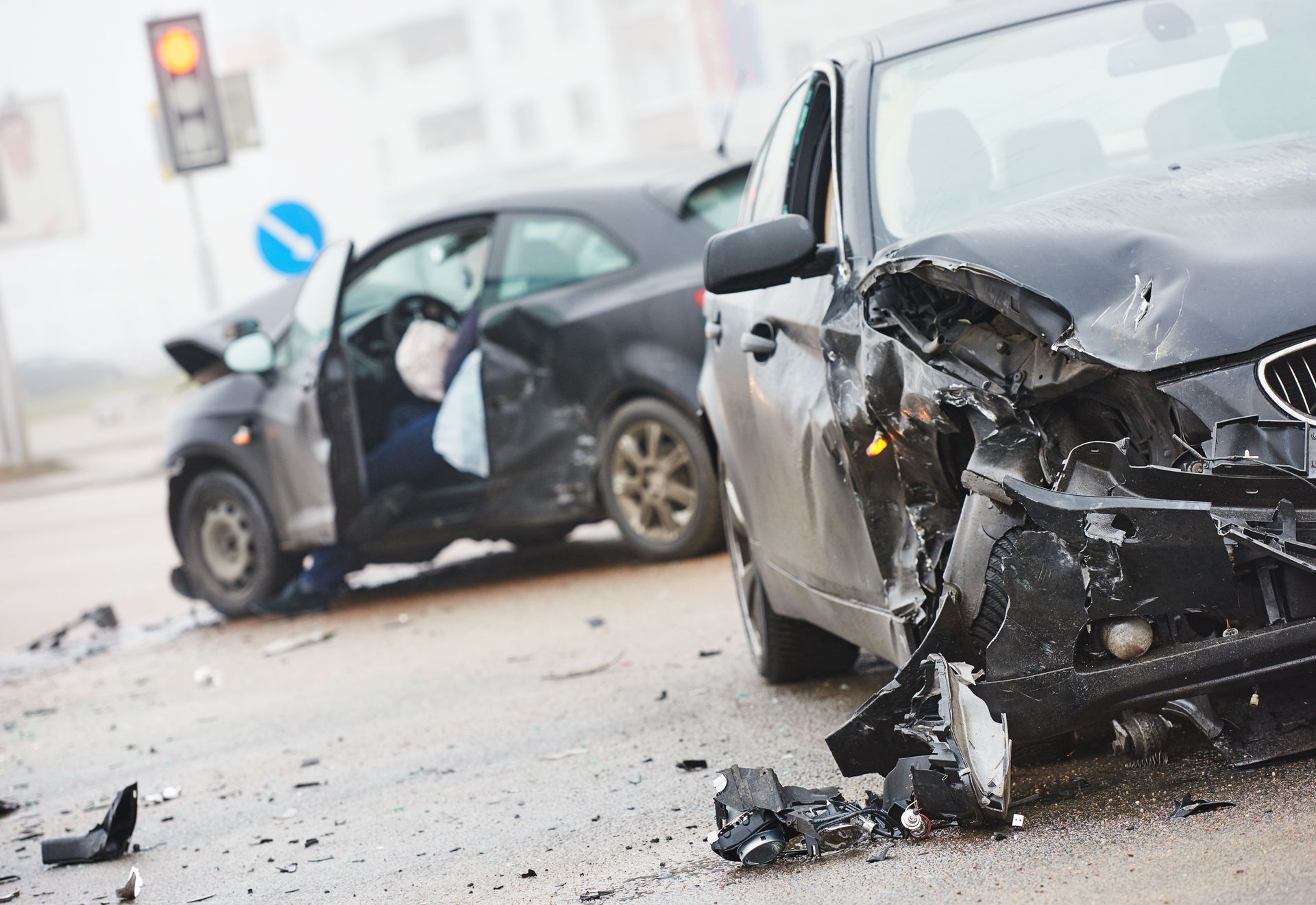
Immediately after an accident, the foremost priority is to ensure the safety of all parties involved. Safely navigate away from traffic, if possible, and use hazard lights to alert oncoming drivers. Check on passengers and others involved for any injuries that may require urgent medical attention. According to AutoBody News, an AAA survey showed that nearly half of drivers (49%) admitted to driving 15 mph over the speed limit on freeways during the survey period, and 27% ran a red light despite 81% considering it dangerous. These statistics highlight how quickly dangerous situations can arise on the road, making an immediate safety check critical.
If the accident is minor and it is safe to do so, moving the vehicles involved out of traffic can prevent secondary incidents. Before moving any vehicle, ensure that the situation is safe for everyone involved. If drivable, shifting to the shoulder or a nearby safe location is best, keeping in mind that safety outweighs static evidence. Utilization of signaling devices like road flares or warning triangles will further enhance the visibility of the scene to others. Following this guideline serves your immediate safety and aligns with common policies advised by law enforcement.
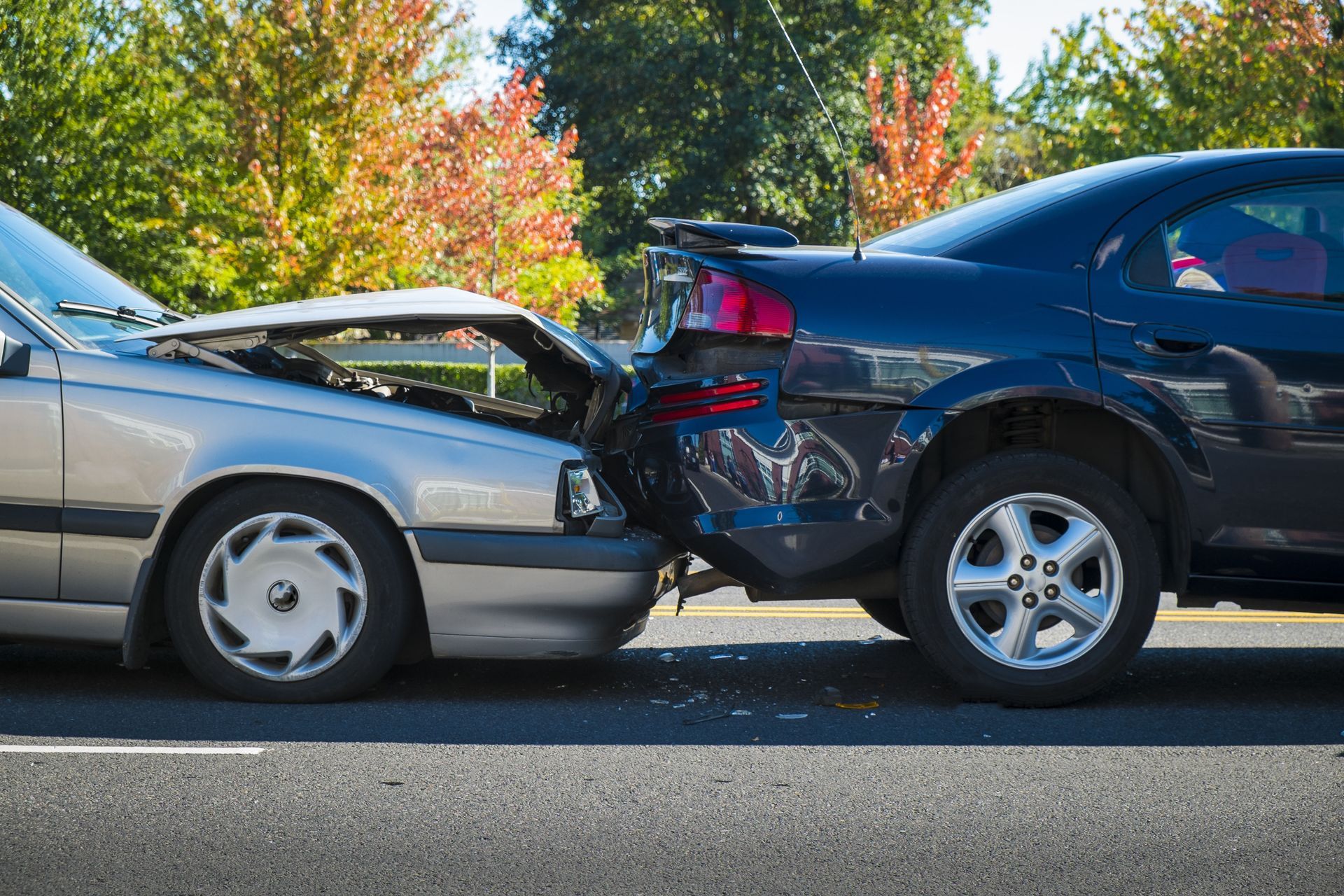
After ensuring that the immediate situation has been stabilized, it is imperative to contact emergency services. This step validates the events that occurred, offering a third-party perspective on the accident scene, which can be indispensable during claim processes. A police report provides an objective recount of events, aiding in substantiating your insurance claim. While waiting for authorities, capture comprehensive photographic evidence of both vehicle condition and the surrounding scene. These images should showcase damage from multiple angles, road conditions, and any skid marks present.
Exchanging Key Information
One of the first essential steps after securing safety and documenting the scene is exchanging contact details with all involved parties. This includes full names, addresses, phone numbers, and email addresses. Getting these details early on is crucial, as they serve as a direct line for any further communication required when processing claims. Using your smartphone to store such information can streamline access and prevent document misplacement. Properly recording accurate contact details helps ensure communication can be activated when needed throughout the claims process.
Exchanging insurance information forms the cornerstone of processing any claims post-accident. Essential items include insurance policy numbers, carrier names, and expiration details. This establishes accountability between both parties, providing a connecting link for all subsequent communications between involved insurers. Along with insurance cards, take the time to note vehicle identification numbers (VINs), license plate numbers, make, model, and color of each vehicle involved. This information helps to incontrovertibly identify all parties involved, preventing misunderstandings.
Identifying and documenting witness accounts adds strength to your claim by providing an independent perspective of the incident. Approach bystanders following the accident, asking if they are willing to share their observations. Gather names, contact numbers, and an initial overview of what they witnessed to share with your chosen auto collision shop later. These testimonies could reinforce or challenge initial assessments, enhancing credibility gaps visible within primary reports. Finally, obtain the responding officer's name and badge number to secure a copy of the police report later.
Notifying Your Insurance Provider
Once the scene and personal details are sorted, promptly notify your insurance company as soon as practicable. Many policies mandate a specific timeframe for reporting incidents, with delays potentially jeopardizing claims. Quick notification sets the stage for efficient claims settlement by ensuring process transparency. Your promptness in notifying also gives your insurer adequate time to prepare and engage promptly with other relevant parties. This preparation bolsters the likelihood of an accurate claim assessment, offering a shared aim toward resolution.
When you contact your insurance company, a claims adjuster will be assigned to evaluate the damage and determine fault. Provide them with all the documentation you gathered at the scene, including photos, witness contact info, and the police report number. The adjuster will review the policy guidelines to verify what coverages apply to your specific situation. Being completely honest and thorough during this stage prevents delays or potential denials of your claim down the road.
The insurer will often provide a list of approved repair facilities, but remember that you have the right to choose your own auto collision shop. Selecting a high-quality auto collision shop ensures that your vehicle is restored using proper manufacturer standards. Keep detailed logs of every conversation you have with your insurance provider, noting dates, times, and the names of the representatives you spoke with. This organization keeps the claim moving forward smoothly.
Evaluating the Vehicle Damage
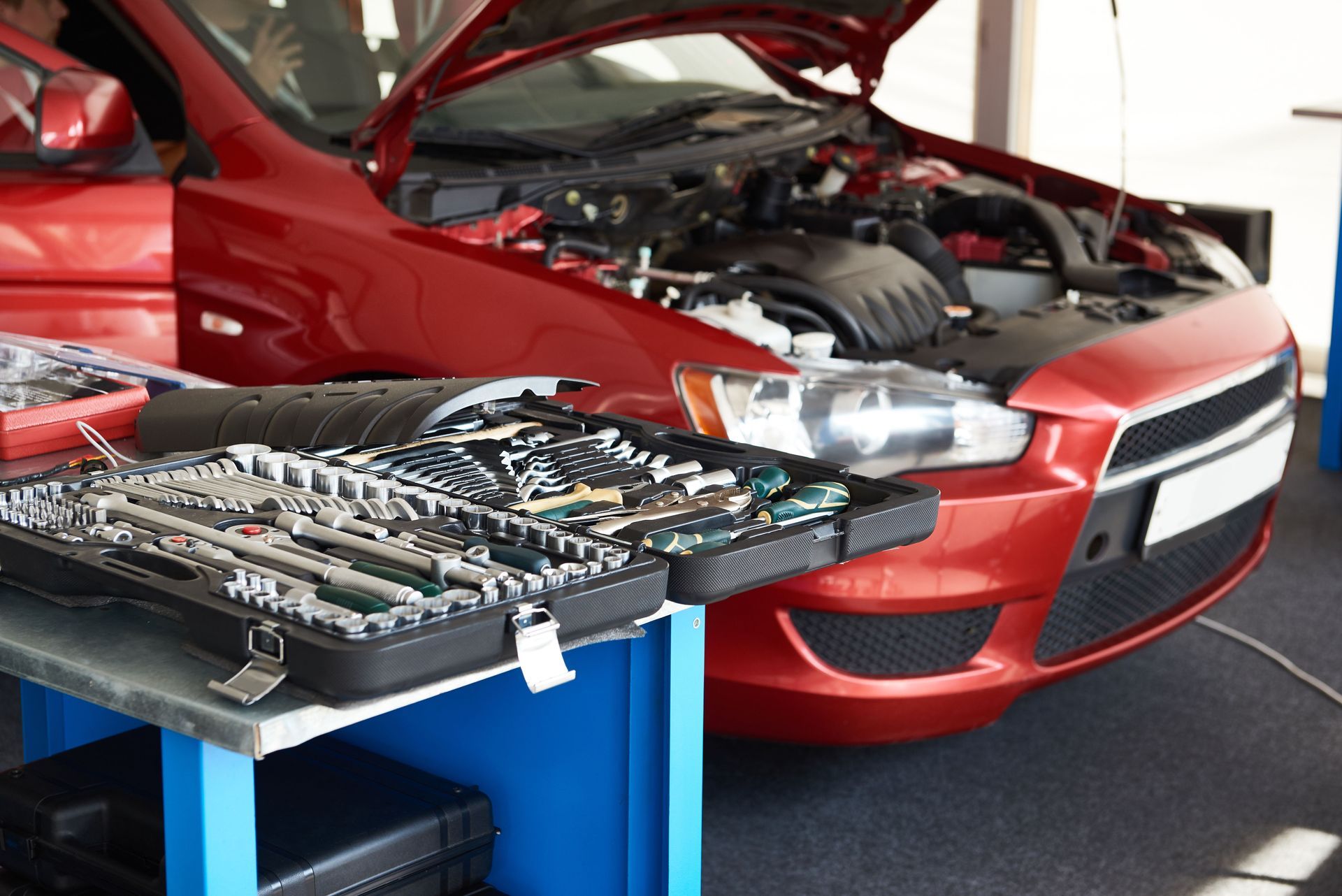
After the insurance company processes the initial report, the vehicle must undergo a professional physical inspection. An insurance adjuster or an estimator from a certified auto collision shop will examine the car to catalog all visible and hidden structural damage. This evaluation forms the basis for the initial repair estimate and determines whether the vehicle is repairable or a total loss. Having a trusted auto collision shop handle this evaluation ensures that no hidden mechanical or frame issues are overlooked by the insurer.
If the cost of repairing the vehicle approaches or exceeds its actual cash value, the insurance company may declare it a total loss. In this scenario, the insurer pays the market value of the car rather than funding the repairs. If the vehicle is deemed repairable, the insurance company and the repair facility must agree on the scope of work and the parts required. Using original equipment manufacturer parts is often preferred to maintain vehicle safety and longevity.
During the evaluation phase, you should also review your policy details regarding rental car reimbursement. If your vehicle is undrivable, your insurer may cover the cost of a rental vehicle while repairs are being calculated. Ensuring that the auto collision shop communicates directly with the insurance adjuster speeds up the approval process for the teardown and repair blueprint. This collaborative communication minimizes the time your vehicle spends sitting in the yard idle.
Finalizing Repairs and Closing Claims
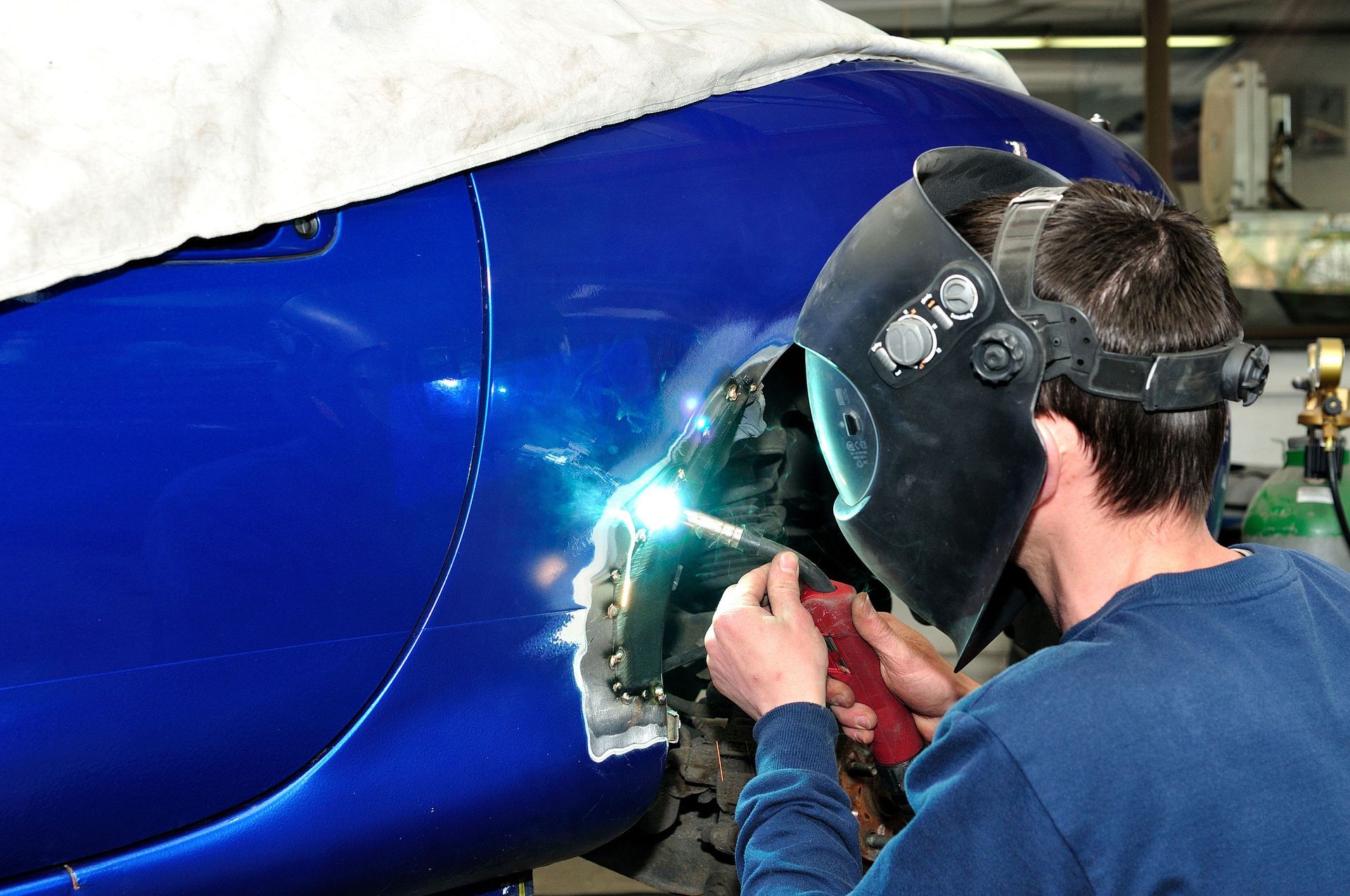
Once the insurance company approves the repair estimate, the certified technicians can begin the restoration work. The repair process involves structural realignments, panel replacements, mechanical fixes, and precision paint matching. A reputable auto collision shop will conduct safety inspections throughout the process to ensure the vehicle meets factory standards. Regular updates from the shop keep you informed on the timeline and any supplemental damages discovered during the teardown.
When the work is finished, conduct a thorough walkthrough of the vehicle before signing off on the final release forms. Check the repaired areas closely, ensuring the paint matches perfectly and the vehicle handles correctly during a brief test drive. You will be responsible for paying your insurance deductible directly to the repair facility at this time. The insurance company will handle the remaining balance of the approved invoice directly with the business.
Closing the claim requires organizing all receipts, repair orders, and final payment confirmations for your personal files. These documents are vital for maintaining your vehicle's resale value and proving the quality of the restorations performed. Navigating an auto insurance claim successfully relies on organization, prompt communication, and partnering with top-tier professionals. For more information about the services that we offer, reach out to our incredible team at National Body Works today!


Share On: